From Trauma Machine to Glorious Body
Neuroscience, hands-on bodywork, embodied philosophy, and archetypal imagination in the work of healing. Explore the book, the training, and the live encounters where ideas become practice.
Somatic psychotherapy for individuals and couples, executive coaching, and practitioner training with Brian Tierney, PhD.
Embodied Philosophy in Clinical Practice
The embodied philosophers asked what a body can do. I bring that question into clinical touch, fascial anatomy, imaginal inquiry, and the life of a group, where an explanation matters through what it helps us perceive and make possible.
Explore Dr. Tierney’s Work
The Book Becomes a Field of Practice
Study with the founder and expand your practice beyond standard trauma models. This two-year training for therapists, bodyworkers, and coaches brings trauma re-sequencing, clinical touch, embodied philosophy, and archetypal depth into a shared field of practice. Cultivate perceptual skill, disciplined imagination, and the capacity to work creatively with individuals and groups.
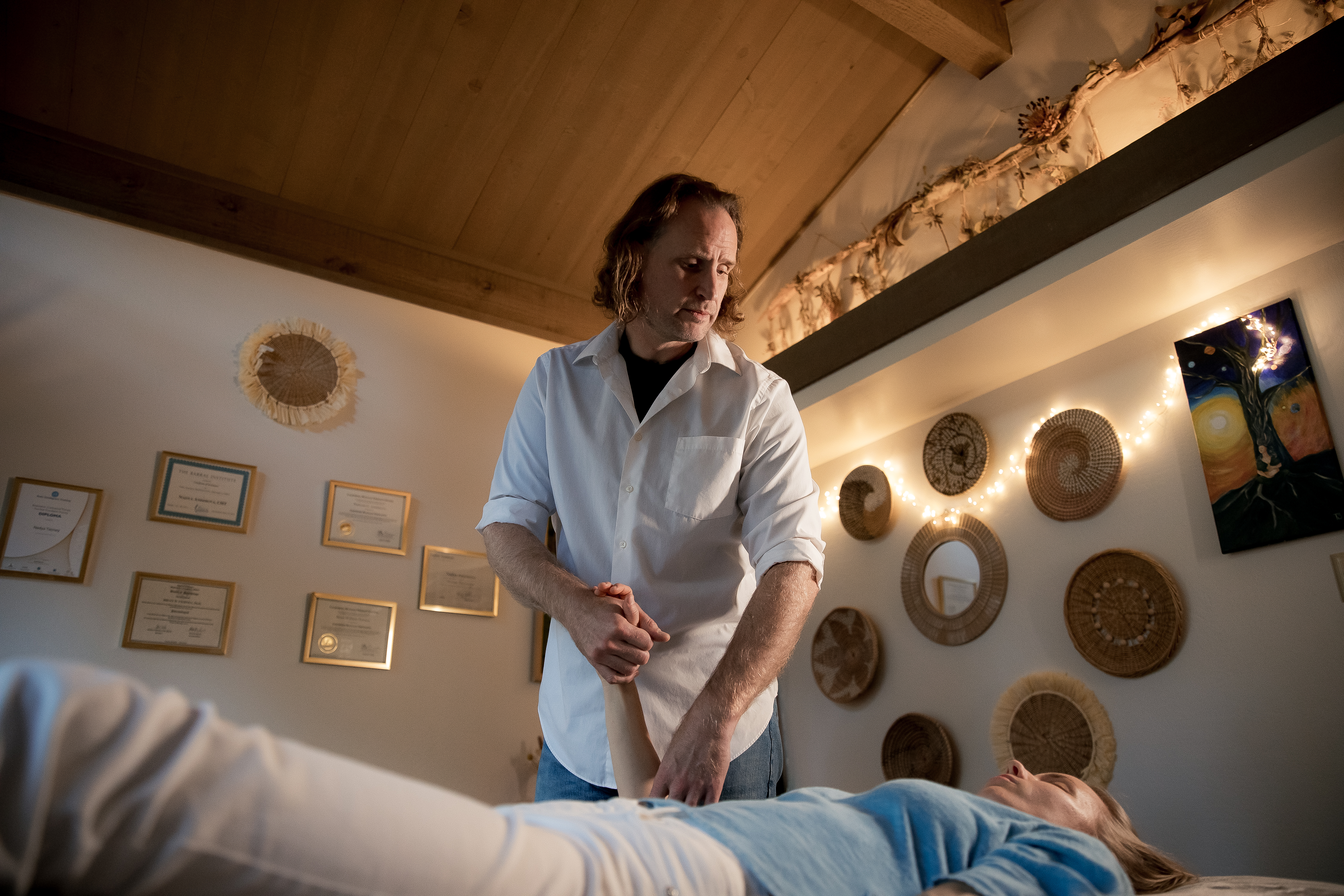
Group Fieldcraft & Social Artistry
Work with the roles, relationships, and collective tensions that shape our lives. Visionary Somatics brings archetypal inquiry, embodied improvisation, and creative ritual into group practice, with room for grief, conflict, pleasure, and the emergence of something unrehearsed.
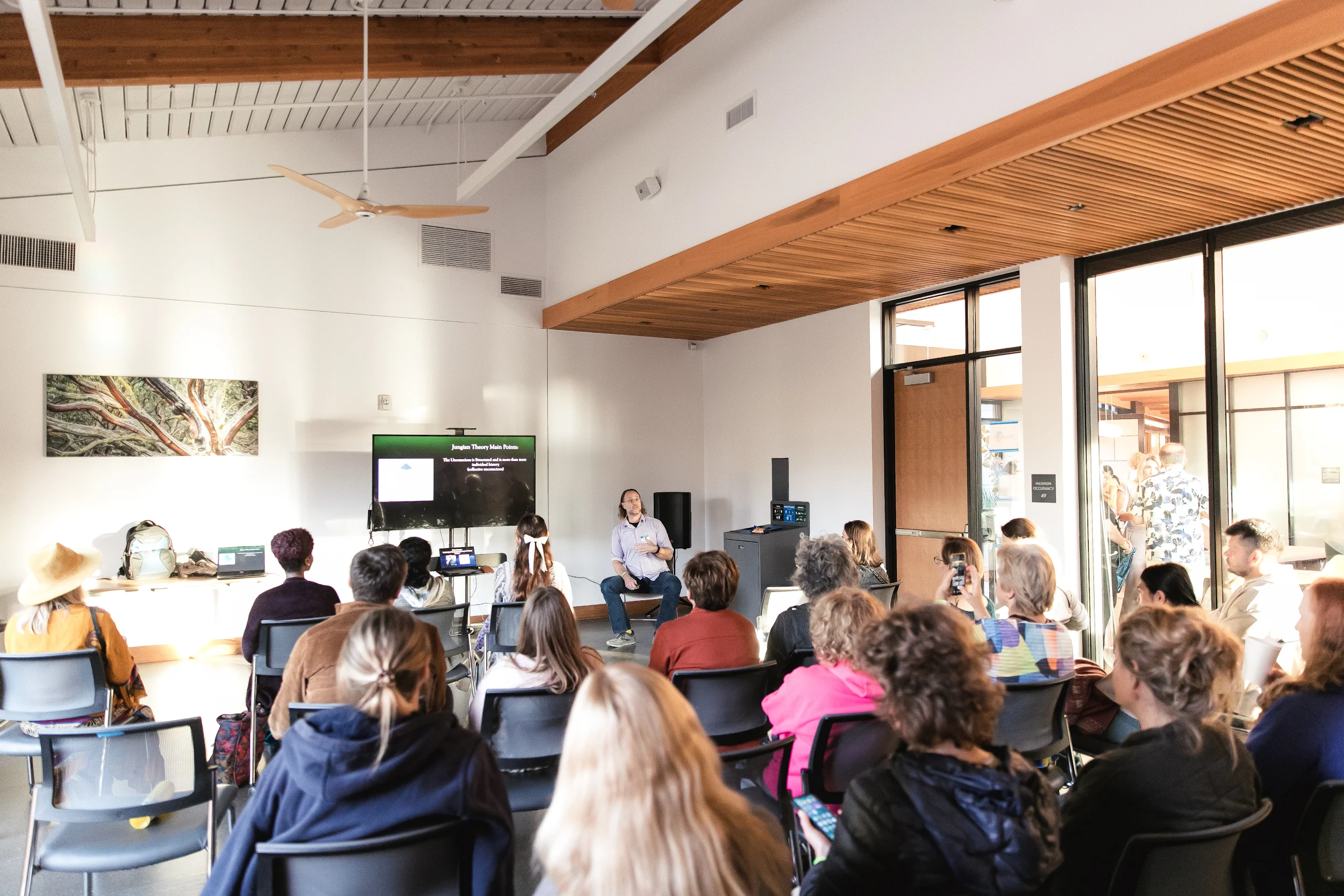
Where this work is being talked about
Magazine features, podcasts, summits, and conference stages where Dr. Tierney discusses embodiment, clinical neuroscience, and somatic play.
The Book Is a Beginning
New writing, Boundless Body conversations, book events, and invitations to explore the work in person and online.
A Somatic Atlas of Forces, Meanings, and Living Fields for Healers, Thinkers, and Seekers.
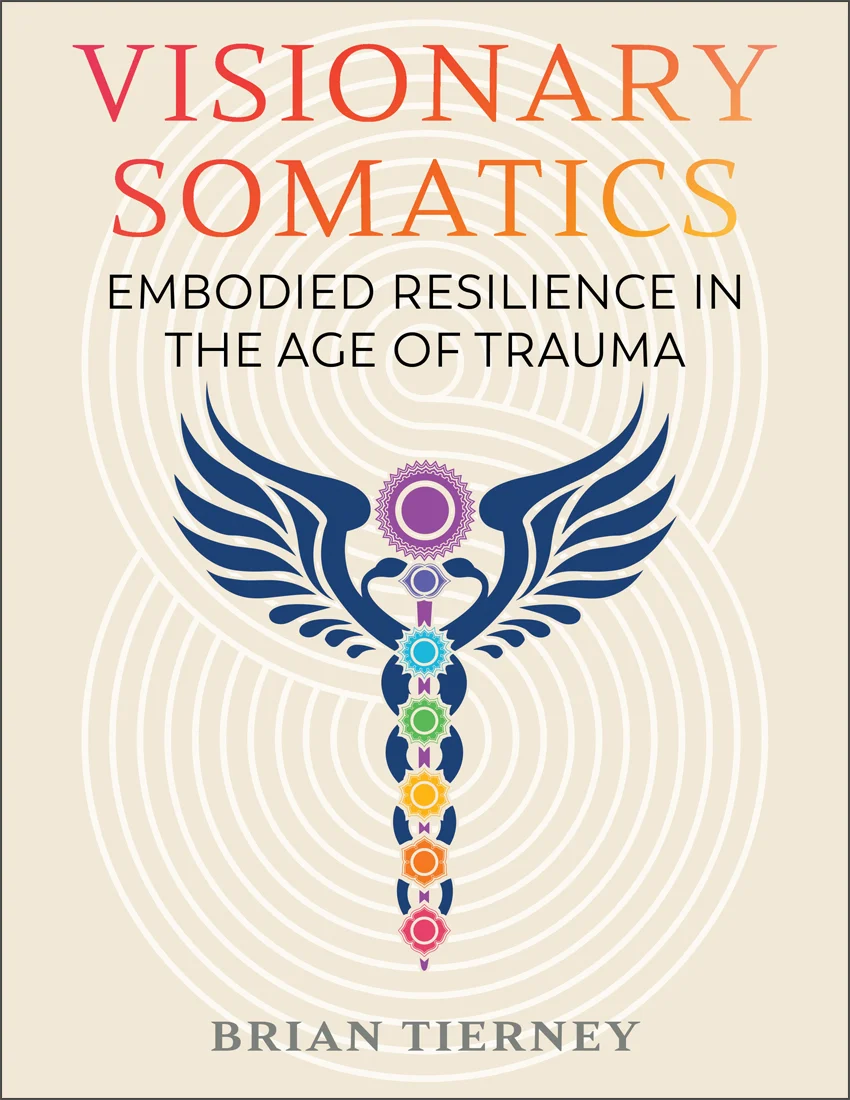
A Somatic Atlas of Forces, Meanings, and Living Fields for Healers, Thinkers, and Seekers.
A Somatic Atlas of Forces, Meanings, and Living Fields for Healers, Thinkers, and Seekers.
A Somatic Atlas of Forces, Meanings, and Living Fields for Healers, Thinkers, and Seekers.
A Somatic Atlas of Forces, Meanings, and Living Fields for Healers, Thinkers, and Seekers.
The Book in Motion
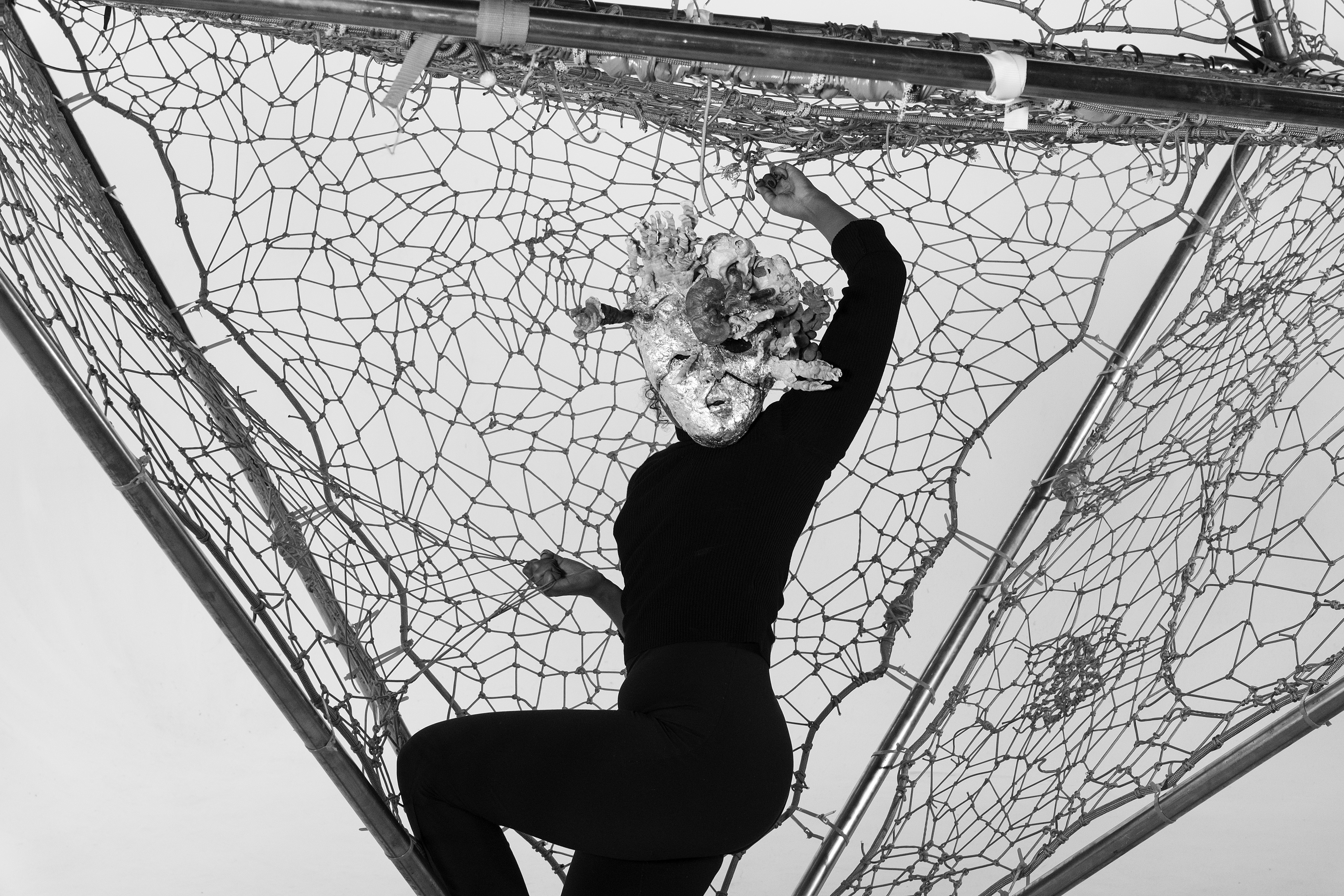
Octahedral Topocosm photoshoot: artistic direction by Phillip Byrne. Photos courtesy of Sylvia Feliz Sewell.
The Octahedral Diamond Body A tensegrity map of the Archetypal Self.
Explore the opposing tendencies of Lover and Warrior, Magus and Royal. This topocosm of forces provides a way to consider fragmentation, the distribution of tension, and the development of wholeness in individuals and groups.
Choose an archetype, then explore its patterns of tension.
A note on the poles: The top is the Active position of the Archetype (+) and the bottom is the Passive or Receptive (-) position of the archetype
A note on the poles: The top is the Active position of the Archetype (+) and the bottom is the Passive or Receptive (-) position of the archetype
{{ g.sel.name }}
Opposite pole: {{ g.sel.opposite }}
{{ g.sel.orient }}
{{ g.sel.plate }}
{{ g.sel.body }}
These descriptions invite archetypal inquiry. They are not fixed identities or diagnostic assessments.
The Big Four is an elaboration of Robert Moore’s archetypal model, developed in dialogue with Jung, Theodore Millon, affective neuroscience, comparative mythology, and Deleuzian philosophy.
When Trauma Discourse Becomes Traumatizing
When a therapeutic description becomes an identity, its explanatory power can also become a constraint. Visionary Somatics works with trauma while questioning the codes that make suffering the whole story.
The Glorious Body names a wider possibility: resilient, improvisational, and able to hold sensation, symbol, relationship, and complexity without submitting to a single explanation.
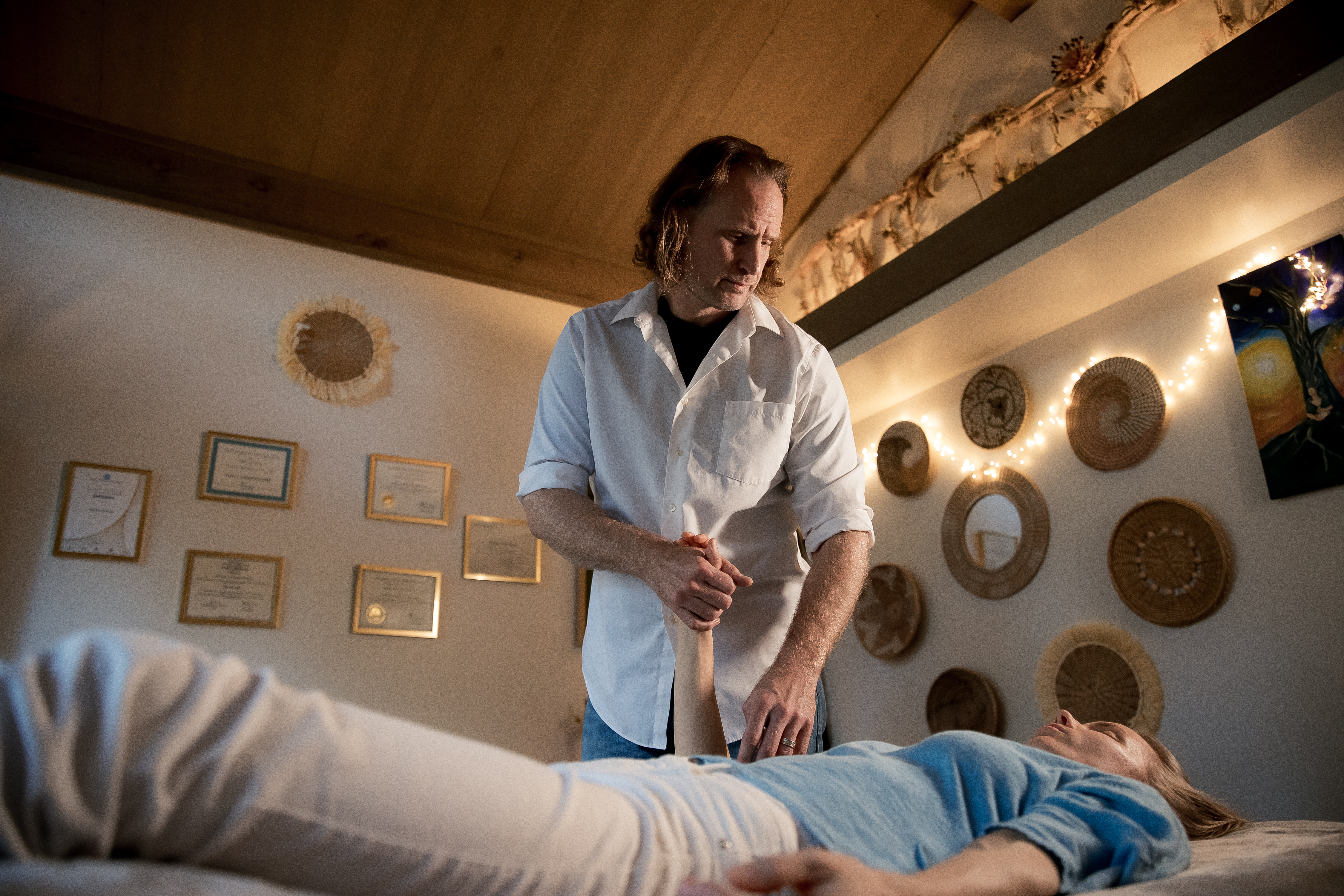
What You'll Take Away
Inheritance, Rupture, Reinvention
Anthropology, psychoanalysis, bodywork, embodied philosophy, and neuroscience meet in productive disagreement. The book follows what each makes possible and what becomes thinkable between them.
The Craft of Working with Bodies
Each approach is explored on its own terms, questioned where needed, and brought into the wider practice of Visionary Somatics.
The eight facets of embodied resilience
The same eight facets, presented as interconnected entry points into the book.
Visionary Somatics follows the forces and meanings through which bodies, selves, and social worlds take form. The same achievement that makes representation possible also incubates codes of identity. With José Gil and Deleuze, Visionary Somatics asks how meanings acquire a viral life, how magical capture fixes them, and how ritual and imaginal practice might reopen their possibilities.
Morphospace names a field of possible forms. The book connects the formation of selves and social worlds with a wider inquiry into the forces that give bodies form. Creation and constraint belong to the same unfolding process.
The Visionary Somatics Trauma Re-Sequencing Process
The book addresses trauma and dissociation through scene construction, shifts of perspective, mental imagery, movement, breath, sound, and clinically appropriate touch. Assessment and pacing guide what happens next.
Chapter 8 develops the clinical framework. Practitioner training develops the perceptual and relational skills needed to work with it.
From Regulation to Revelation
An invitation to rethink the body and the practice of healing
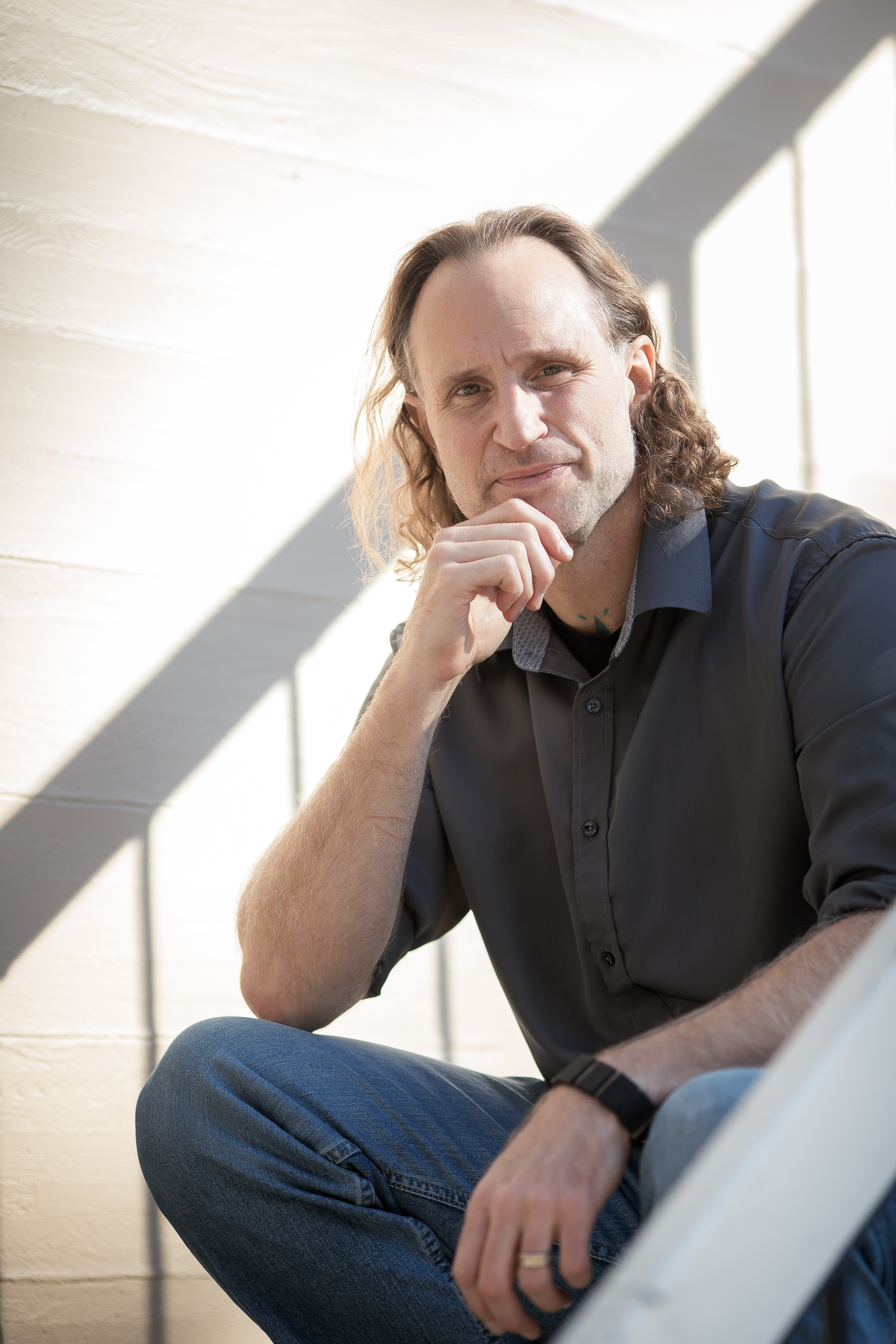
Brian Tierney, PhD
Brian Tierney, PhD, is a somatic psychologist, neuroscience educator, and founder of Visionary Somatics. Drawing on more than twenty-five years of hands-on bodywork, he brings clinical practice into conversation with embodied philosophy, archetypal inquiry, and the arts. He serves as adjunct faculty at Meridian University, teaches internationally, and hosts the Boundless Body podcast.
“After many years, Somatics is becoming part of the therapeutic mainstream. At the same time it is still an emerging discipline. In this unique exploration Brian Tierney has extended our understanding of the complex intricacies of the various systems making up soma and psyche. These include the underlying molecular, and neurological mechanisms towards enhancing our understanding of the roots of empowerment and resilience.”
The Book Is a Beginning
New writing, Boundless Body conversations, book events, and invitations to explore the work in person and online.
Visionary Somatics Practitioner Training
A two-year field training in trauma re-sequencing, affective network neuroscience, therapeutic touch, depth psychology, and group fieldcraft.
Study the book with its author. Put the methods into practice. Learn to read bodies and fields with clinical precision and disciplined imagination.
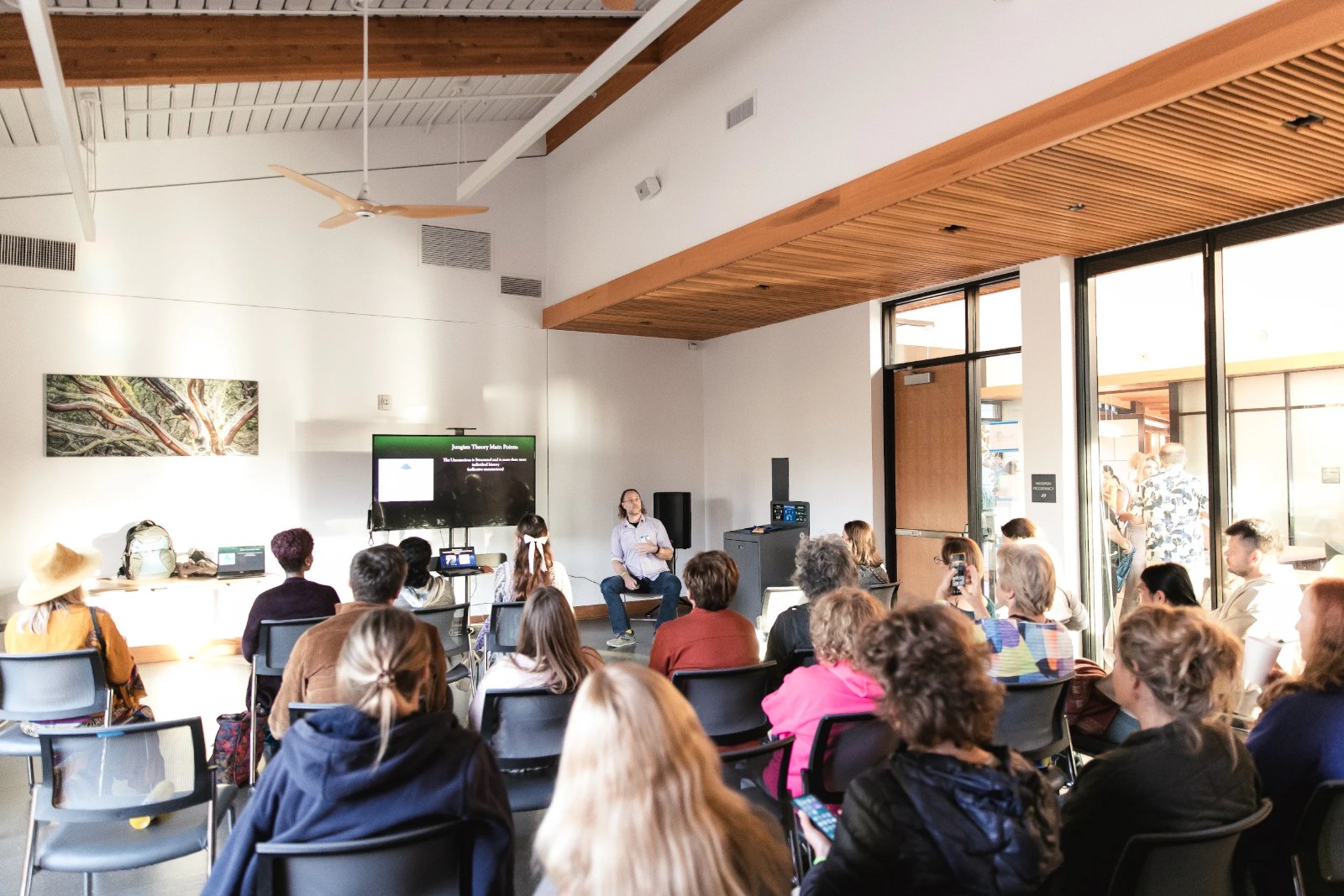
From Regulation to Revelation
Nervous system regulation belongs in the work, but it is only a beginning. Train perception, imagination, and technical skills to meet the person in front of you, while making room for pleasure, vitality, and responses neither of you had rehearsed.
What This Training Brings Together
Course Architecture
Explore the Full Curriculum
Follow the progression from sensory intelligence and trauma re-sequencing to therapeutic touch, archetypal theatre, and group fieldcraft. Explore what you will study, practice, and demonstrate across thirteen learning modules.
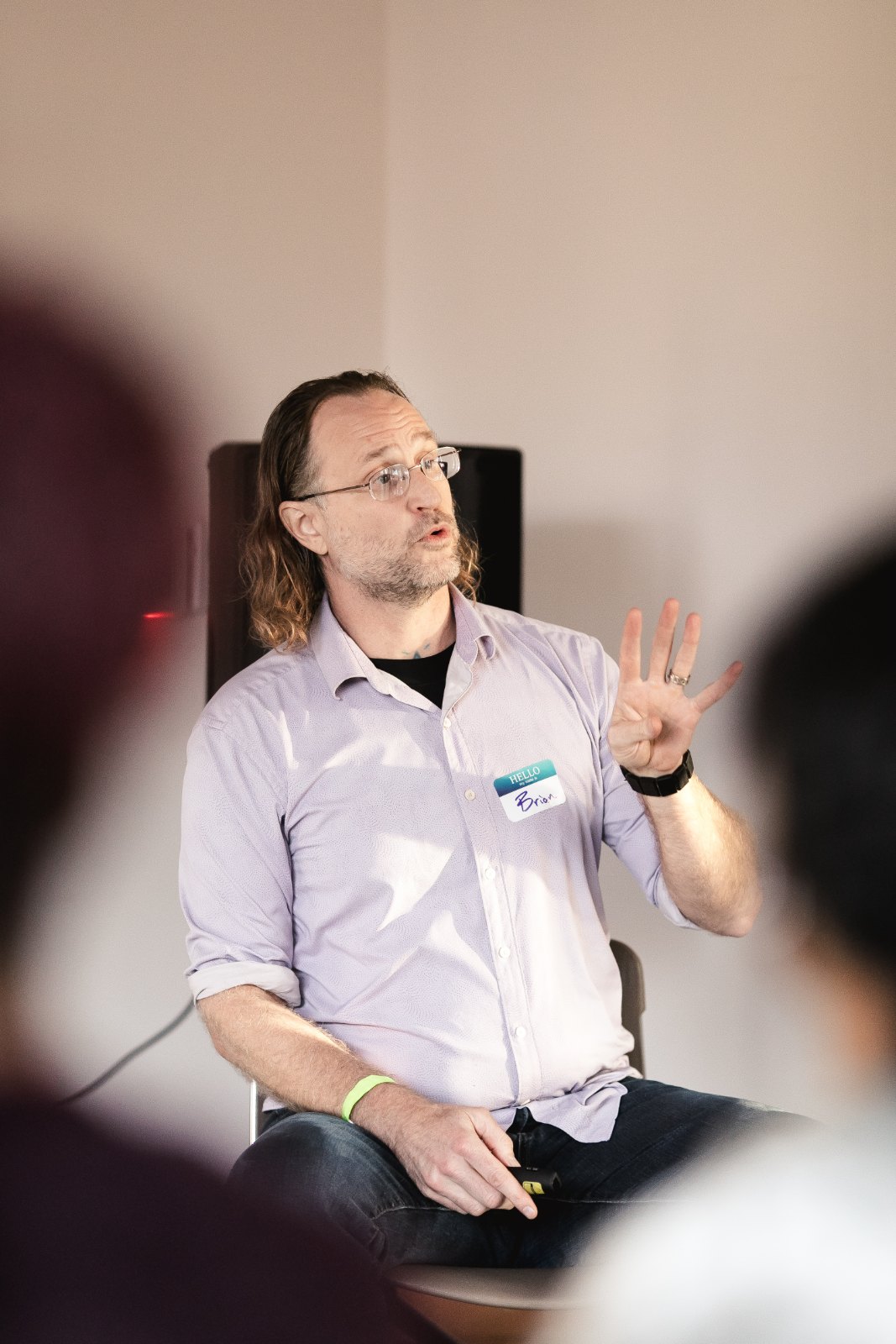
The Living Field Is the Lesson Plan
The book is the atlas, and the cohort is the transformative learning adventure. Anatomy and neuroscience ground the inquiry in a shared plane of reference; the group’s lived tensions and collective imagination shape an evolving curriculum.
For Craniosacral Therapists and Bodyworkers
For practitioners with a background in Biodynamic Craniosacral Therapy or other forms of bodywork, Visionary Somatics offers a context for developing somatic psychology, imagery, and relational skills alongside hands-on sensitivity.
We explore body reading as careful observation of posture, movement, expression, and changing experience, with interpretations held open to the participant’s own account. Trauma-informed touch practice includes attention to permission, pacing, boundaries, and professional scope.
Visionary Somatics does not award BCST certification or qualify a bodyworker to practice psychotherapy.
Format and Entry
Five in-person intensives and eight live online studios across two years. The book is the primary text; manuals guide practice and integration.
Capped at 15 participants.
People with relevant foundations in clinical, somatic, educational, coaching, artistic, or community practice. Admission considers experience, scope, and readiness for experiential learning.
Touch requires explicit, ongoing consent. Participants may decline touch or opt out of any exercise.
Graduates may apply for a separate, assessed teaching apprenticeship to develop the craft of teaching Visionary Somatics.
Start with a Conversation
Tell us where you want to take your practice. We’ll discuss studying with the founder, developing your work with individuals and groups, and the two-year commitment. For those drawn to teaching, we’ll also explore the separate, assessed teaching apprenticeship for graduates.
Book a Free ConsultationCompletion and Teaching Pathway
Visionary Somatics Practitioner Certificate of Completion
The certificate recognizes completion of the program’s educational and practice requirements. The training does not confer a professional license or authorize practice beyond the participant’s existing scope.
Teaching Visionary Somatics
Group facilitation is part of the practitioner training. Graduates who wish to teach Visionary Somatics may apply for a separate, assessed teaching apprenticeship. Teaching authorization requires successful completion of that pathway and is not conferred by the practitioner certificate.
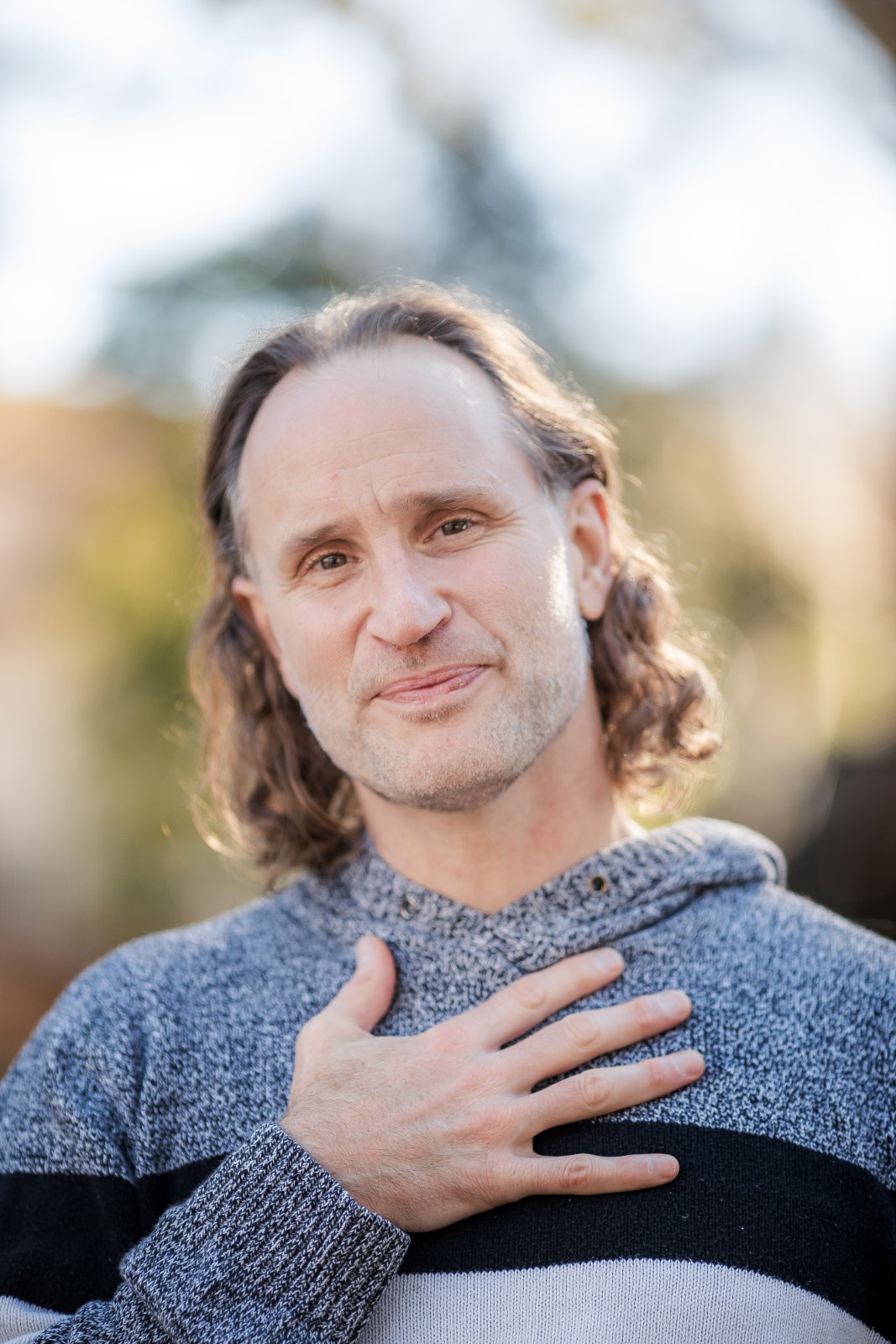
Brian Tierney, PhD
Brian Tierney, PhD, is a somatic psychologist, neuroscience educator, and founder of Visionary Somatics. Drawing on more than twenty-five years of hands-on bodywork, he brings clinical practice into conversation with embodied philosophy, archetypal inquiry, and the arts. He serves as adjunct faculty at Meridian University, teaches internationally, and hosts the Boundless Body podcast.
More about Brian →FAQ
Do I need to know Deleuze?
No. The ideas are introduced through reading, discussion, and practice; relevant experience and readiness still matter for admission.
Is the training fully online?
No. The planned program includes required in-person intensives.
Is this psychotherapy?
No. This is professional and experiential education, not a replacement for personal therapy or crisis care.
What does founding cohort mean?
The inaugural group studies directly with the founder and helps shape the learning through its questions, experience, and collective practice.
Where are fees and requirements?
Book a free consultation to discuss tuition, additional costs, and the full commitment.
Will completing the training qualify me to teach Visionary Somatics?
No. Teaching authorization requires successful completion of a separate, assessed teaching apprenticeship after graduation. Admission to the practitioner training does not guarantee admission to the apprenticeship.
{{ t.formHeading }}
{{ t.formBlurb }}
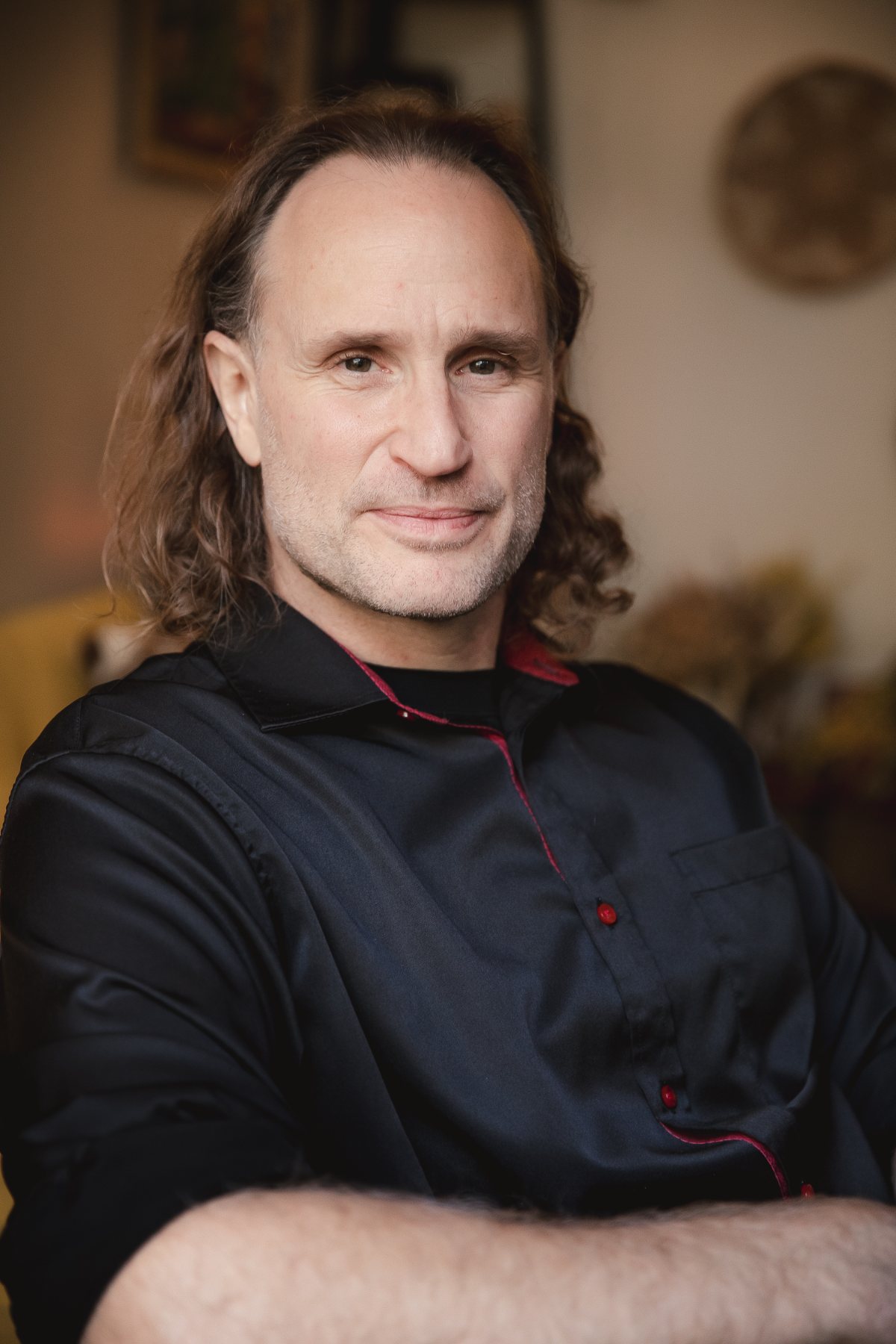
Brian Tierney, PhD
The Question Behind the Work
I am interested in the point where a useful explanation becomes an enclosure. That question follows me through neuroscience, hands-on work, and the ways we talk about trauma. It also leads into language, archetypes, and the social field, where meanings shape bodies and the worlds we make together.
Visionary Somatics puts this question to work. The book, the teaching, and the conversations on Boundless Body keep the inquiry moving between clinical precision and the capacity to be surprised.
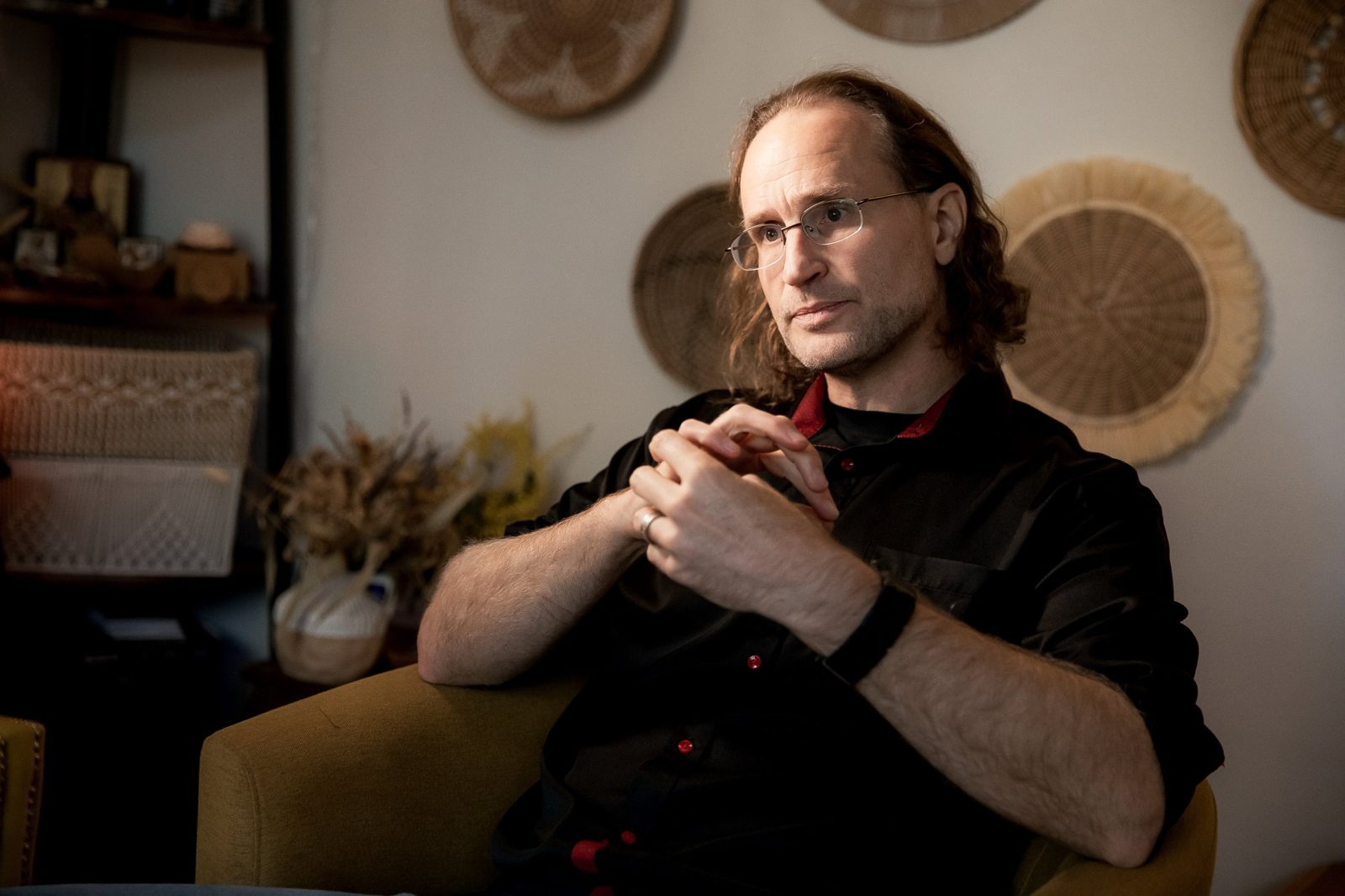
Brian Tierney, PhD, is a somatic psychologist, neuroscience educator, and founder of Visionary Somatics. Drawing on more than twenty-five years of hands-on bodywork, he brings clinical practice into conversation with embodied philosophy, archetypal inquiry, and the arts. He serves as adjunct faculty at Meridian University, teaches internationally, and hosts the Boundless Body podcast.
The Book Is a Beginning
New writing, Boundless Body conversations, book events, and invitations to explore the work in person and online.
Where this work is being talked about
Magazine features, podcasts, summits, and conference stages where Dr. Tierney discusses embodiment, clinical neuroscience, and somatic play.
Bring Visionary Somatics into the Room
Keynotes, book conversations, and experiential workshops bringing trauma neuroscience, embodied philosophy, and archetypal imagination into contact with the questions of your audience.
Prefer email? somaticdoctor@gmail.com
Download the Speaker ProfilePDF · 2 pagesMagazine Features
On Stage & On Screen
Individual & Trauma Therapy
I offer somatic psychotherapy for people dealing with trauma, anxiety, depression, and recurring difficulties in their relationships.
- Trauma
- Anxiety
- Depression
- Recurring difficulties in relationships
Couples Therapy
Working with the conflict and the bodily reactions underneath it.
Executive Coaching
Somatic coaching for clearer decisions, stronger boundaries, and more effective relationships under pressure.
What Is Somatic Therapy?
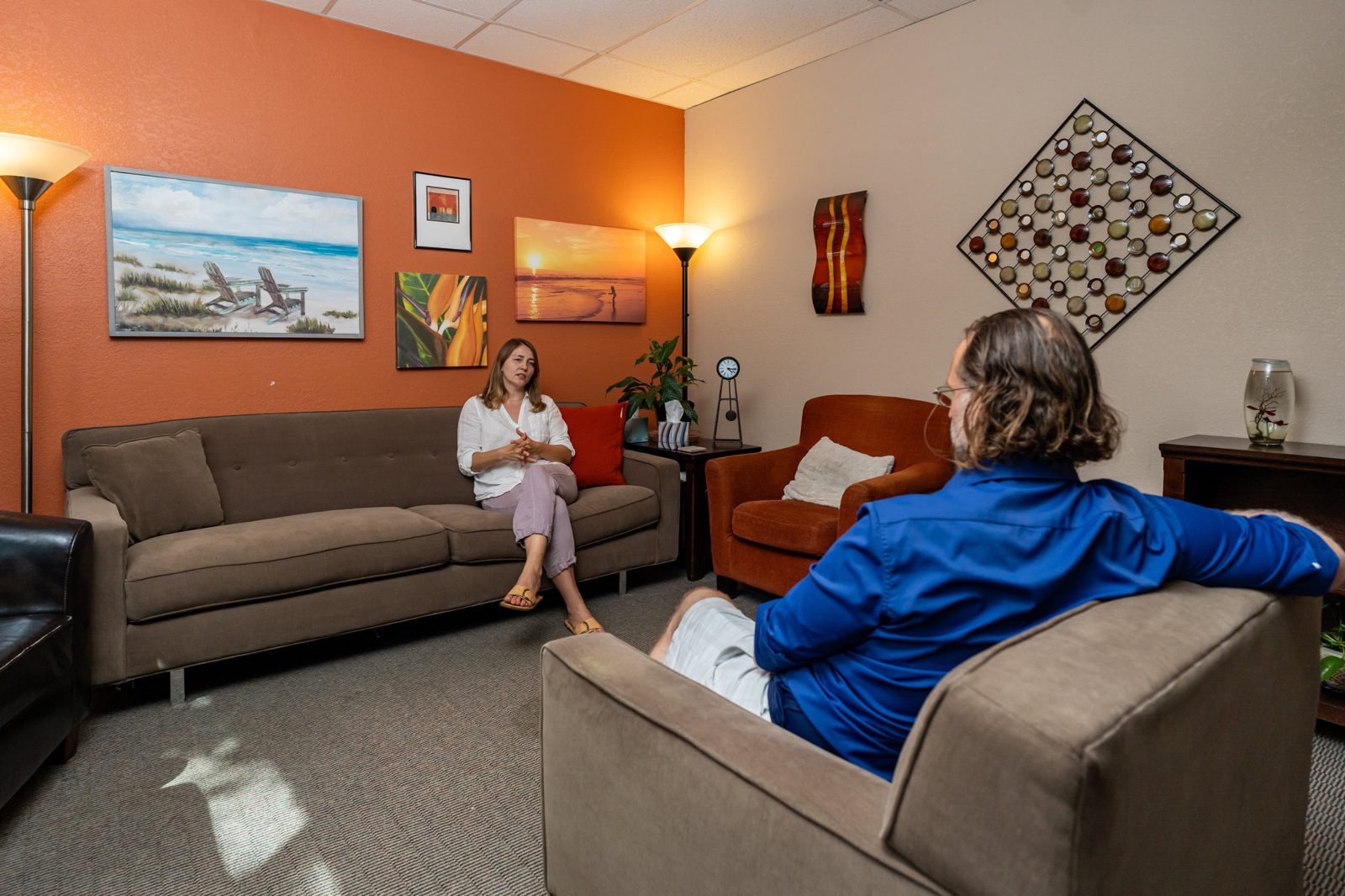
Somatic therapy brings conversation together with attention to bodily experience: sensations, tension, movement, emotional reactions, and the ways you respond to other people. We work with your thoughts and the story of your life while making room for experiences that may be difficult to put into words.
My approach brings neuroscience-informed psychotherapy into conversation with somatic practice, mental imagery, and relational work.
What Happens in a Session
A session begins with what you want help with and what feels workable that day. As we talk, I may invite you to notice a change in your breathing, posture, or sensation, or to explore an image that accompanies an emotion.
For example, we might pause while discussing a difficult conversation and notice what happens as you imagine setting a boundary. Together we consider what that experience means to you and whether it suggests something useful to try in daily life.
Areas of the Work
Somatic Trauma Therapy
In trauma therapy, we explore how past experiences may be shaping your present expectations and responses. We attend to both what is difficult and what supports your capacity to stay engaged, make choices, and participate in life. Your history matters, and so do your interests, relationships, imagination, and possibilities for change.
Somatic Therapy for Anxiety
For anxiety, we may explore the relationship between worry, anticipation, bodily tension, and habits such as avoidance or constant preparation. The work includes noticing how these patterns unfold in particular situations and experimenting with responses that leave you more room to act.
Somatic Therapy for Depression
For depression, we may attend to low mood, reduced energy, disconnection, self-criticism, and difficulties sustaining contact with people or activities that matter to you. Conversation, bodily awareness, and imagery offer different ways to explore your experience. We develop the work around your circumstances and needs, reviewing what is useful as we go.
Mental Imagery in Trauma Therapy
Mental imagery can give form to something that is hard to say directly. An image may become a starting point for conversation, a small movement, or a different way of relating to an experience. I ask what it means to you and how it changes as we work with it.
Touch & Biodynamic Craniosacral Therapy
My background in Biodynamic Craniosacral Therapy also informs my attention to touch and the subtleties of bodily experience. Any use of touch is discussed explicitly, depends on its appropriateness to the work, and requires your consent. Touch is optional.
You may care deeply about each other and still find yourselves returning to the same argument.
- One person presses for a response while the other withdraws.
- A request becomes criticism.
- A pause feels like rejection.
- An attempt to explain becomes another round of defensiveness.
I work with couples who want to understand these patterns and develop more workable ways to address conflict, boundaries, intimacy, and repair.
How Couples Counseling Works
In sessions, we attend to what each of you is saying and to how the interaction unfolds through tone, pace, posture, tension, and distance. We may:
- Slow down a difficult exchange
- Identify the moment it becomes harder to stay in contact
- Practice expressing a concern or hearing a response differently
Attention to bodily reactions can add useful information to the conversation. Your own account of your experience remains central.
Needs, Limits, and Repair
The work includes making needs and limits clearer, taking responsibility for your own actions, and finding out what repair would require in this particular relationship. We also make room for differences that cannot simply be talked away.
We begin with the relationship you have and the changes each of you is seeking. An initial conversation helps us assess whether joint sessions are appropriate and how we might proceed.
Leadership involves decisions and relationships that can be difficult to navigate even when you understand the problem intellectually.
You may know that a conversation is overdue, that a boundary needs to change, or that you are taking on too much responsibility, yet find yourself repeating the same response.
Executive coaching is for leaders who want to examine those patterns and act with greater clarity.
Coaching begins with a concrete professional situation
- Giving difficult feedback
- Making a consequential decision
- Exercising authority
- Delegating
- Addressing tension in a working relationship
We explore the assumptions, emotions, and bodily responses involved.
Somatic practice and mental imagery can support rehearsal: noticing how you respond as you imagine a conversation, trying a different pace or wording, and assessing what helps you communicate more directly.
We then consider how to apply the work in your actual setting and review what happens.
The focus is professional development, with goals we agree together.
Themes may include accountability, boundaries, creativity, and the ability to remain responsive under pressure.
Coaching is distinct from psychotherapy and does not replace treatment for mental health concerns. We clarify the purpose and scope of the work before beginning.
In Person & Online
In-person sessions in Santa Cruz.
Video sessions for clients and practitioners anywhere in the world.
In Their Words
Associates Under Supervision
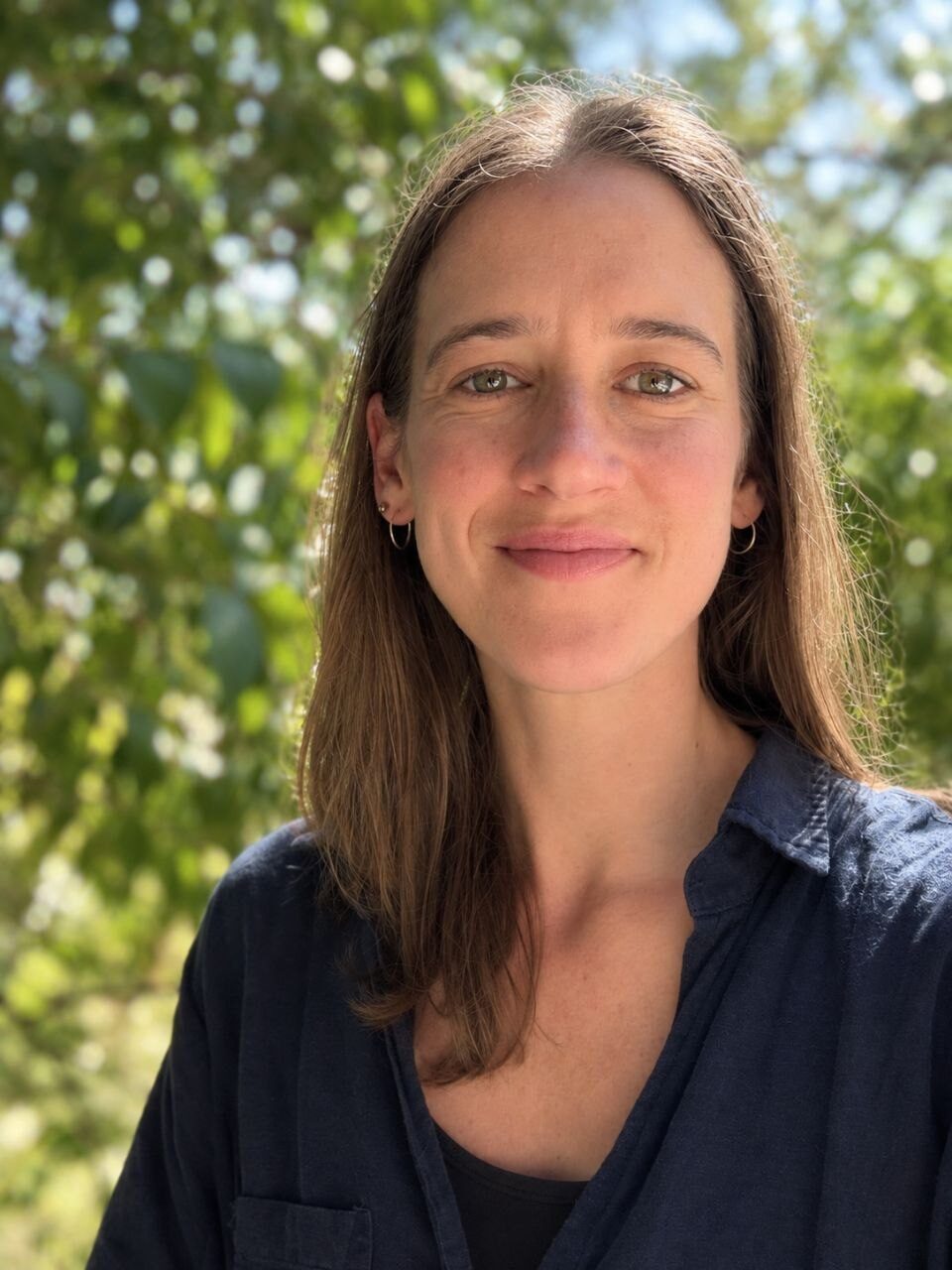
Hello! It is my belief that life is best lived inside a body! It is from this place that we can access the richness of life—where our chests expand with joy, our stomachs clench with grief, our arms stretch wide in the freedom of surrender. Each expression of the body offers us invaluable insight into who we are, where we come from, where we wish to go next, and what’s getting in our way. The body is our roadmap—always offering guidance that nudges us along our personal paths of becoming.
But for many of us, the body has not always been a safe or easy place. Early trauma, wounding, and relational ruptures can dissociate us from our immediate experience, causing parts of ourselves to withdraw or escape. Culturally, as well, for those of us who grew up in the West or Westernized cultures, we’ve been taught to engage the world from our thinking minds, where to trust our gut or to follow our heart is seen as naive, rather than a very intelligent form of guidance.
I know first-hand both the joys and challenges of choosing to return to the body. My work is slow, gentle, and oftentimes playful. Together, we will rely on the intelligence of your body to direct us toward those areas that are needing a little extra care and attention. My style weaves together dialogue, mindfulness, parts work, and relational inquiry within somatic approaches to help you explore and get to know your inner world. Throughout this work, you become something like the conductor of your own experience—able to hear the signals, soothe the activations, follow the wisdom, savor the sensations, center in your inner knowing, and for the times when you do become overwhelmed, disoriented, or collapsed (because all of us do), you’re able to more easily find your way back home.
I welcome folks of all ages and backgrounds and feel especially called to work with teens and young people (20s/30s), eager to explore their sense of identity, purpose, and meaning-making within the context of ecological and social upheaval. I honor the complexity of our times and the disorientation of rapidly changing norms. I welcome you exactly as you are and am eager to witness your incredible unfolding.
I would love to hear from you! If reading this evokes your interest or curiosity, I invite you to schedule a free consultation. Feel free to call, text, or email.
In Their Words
Start with a Conversation
To explore working together, contact me about individual or trauma therapy. We can discuss what brings you, the available formats and locations, and whether the work is a suitable fit.
Contact me to discuss couples therapy, current availability, and the appropriate location or format.
Contact me to discuss executive coaching, including online coaching, and the format that fits your situation.